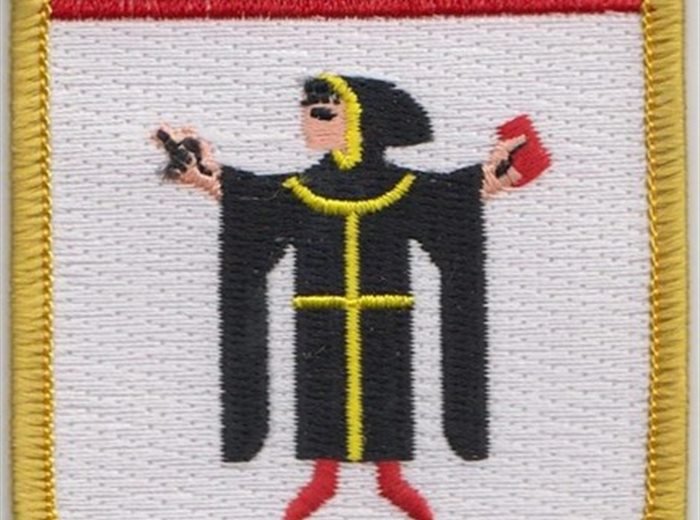
Logo Digitizing
A logo file has to sew the same way on Monday and on run 400. We punch stitch type, underlay, and pull compensation for the size and fabric you actually hoop.
Open this desk →Home / Services
Punch desk menu
Choose a discipline below. Each page explains placement, technique, or fabric so search engines and operators both know what they will receive: a machine-ready stitch file.
A logo file has to sew the same way on Monday and on run 400. We punch stitch type, underlay, and pull compensation for the size and fabric you actually hoop.
Open this desk →
When the job is not a standard left-chest lock, custom digitizing maps stitch architecture to the brief: mixed foam, applique islands, or odd hoop sizes.
Open this desk →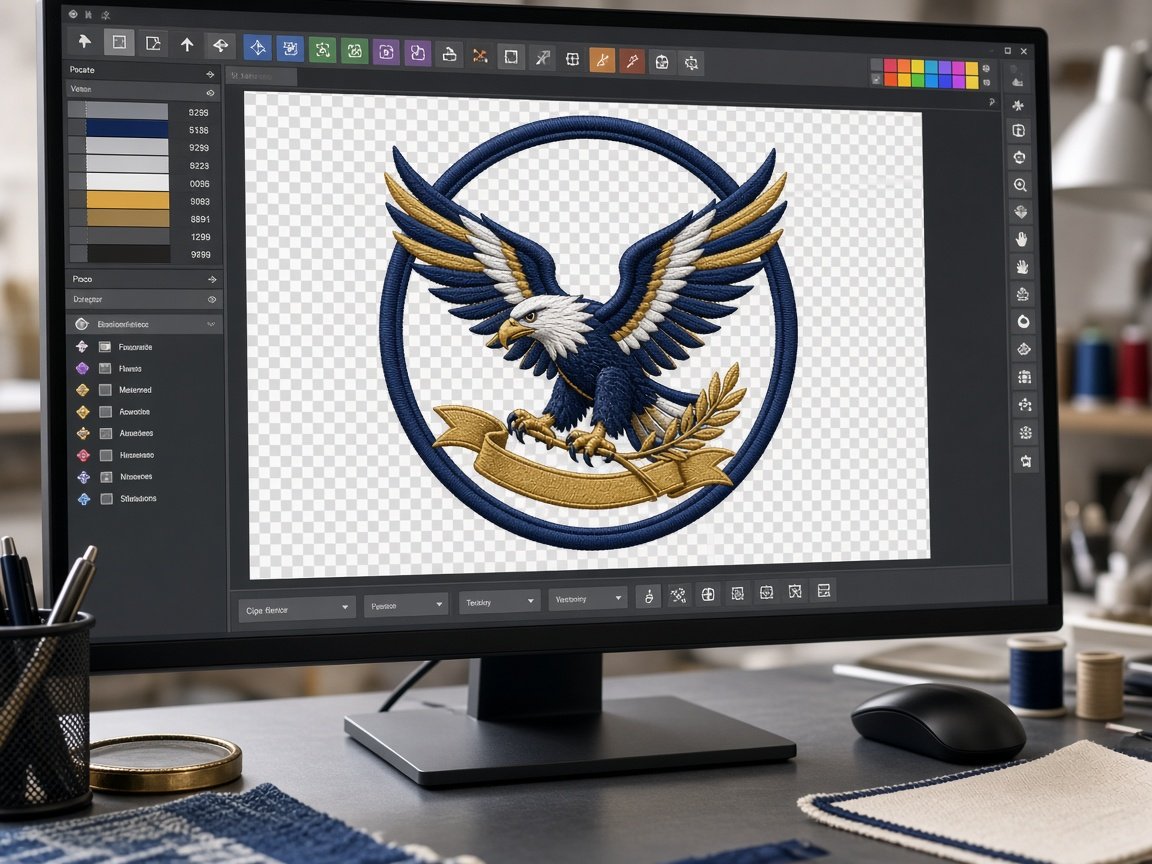
Punching is how stitch files are built object by object. Amazing Punch treats punching as a craft desk, not a software filter.
Open this desk →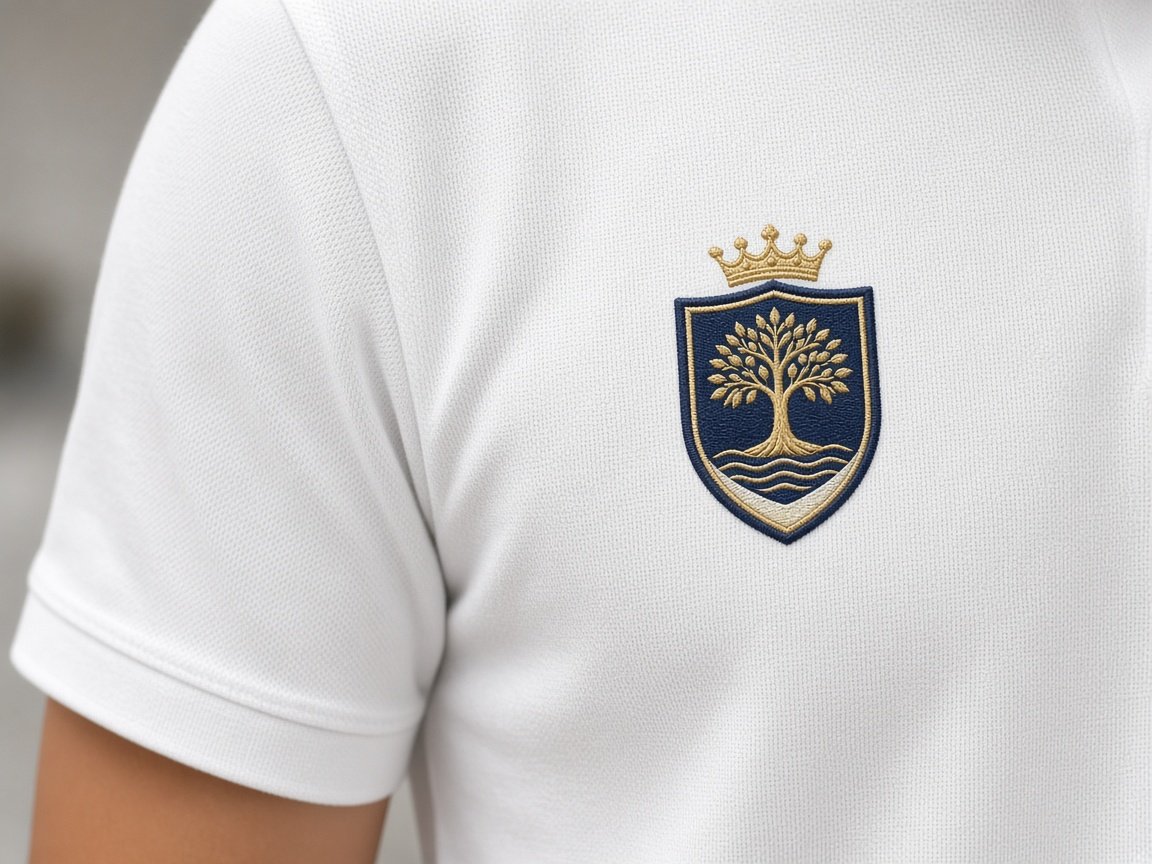
A left-chest logo usually sits about 3 to 4 inches wide on a flat hoop. It is not the same file as a cap, even when the artwork matches.
Open this desk →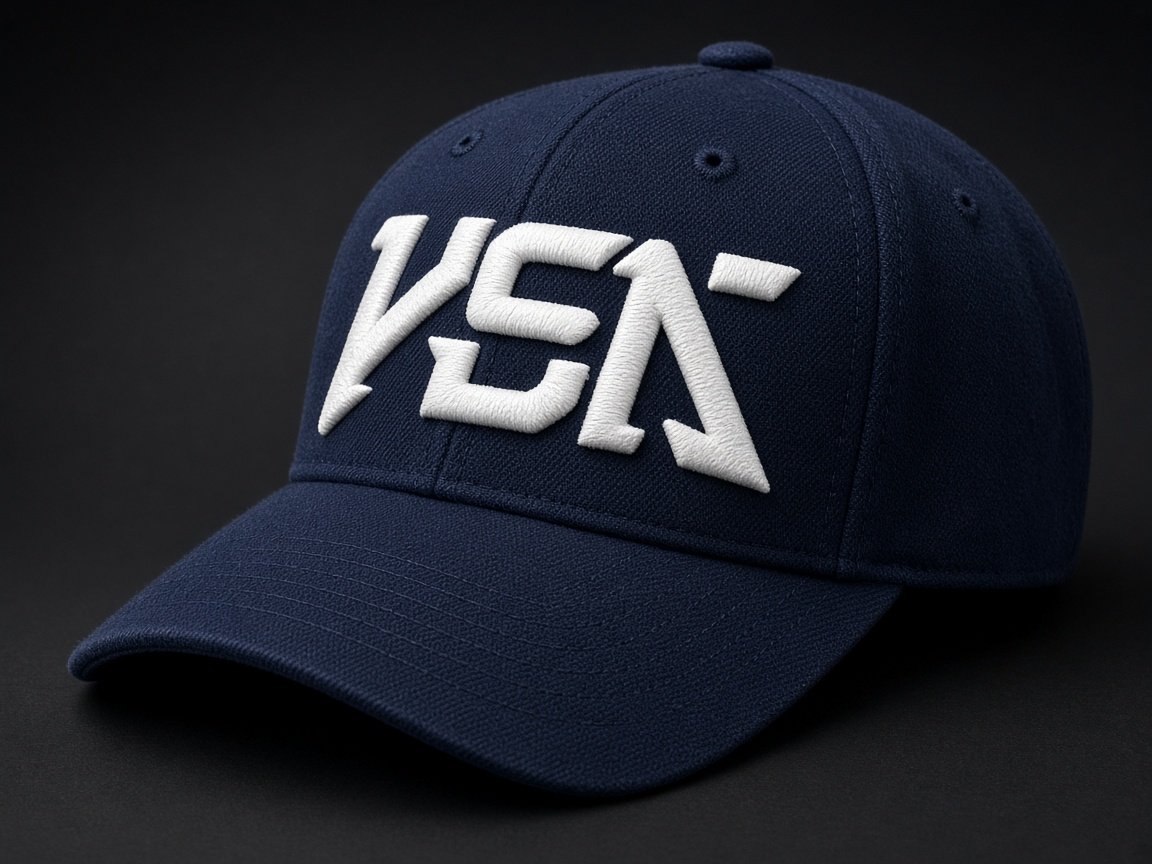
Hats are curved, often seamed down the center, and framed differently than a shirt. Cap files are punched for that geometry.
Open this desk →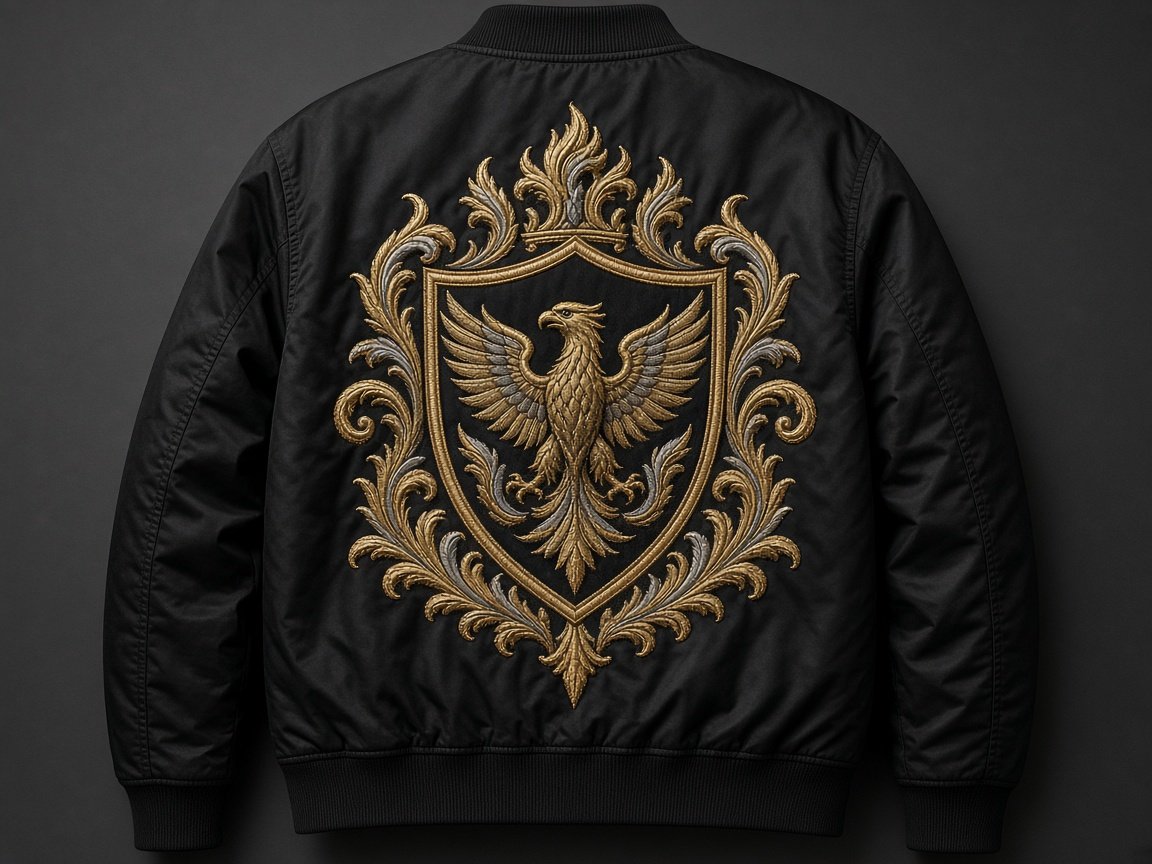
Large backs eat stitch count if fills are too dense. We punch jacket-scale files so satin bombers and workwear stay flat.
Open this desk →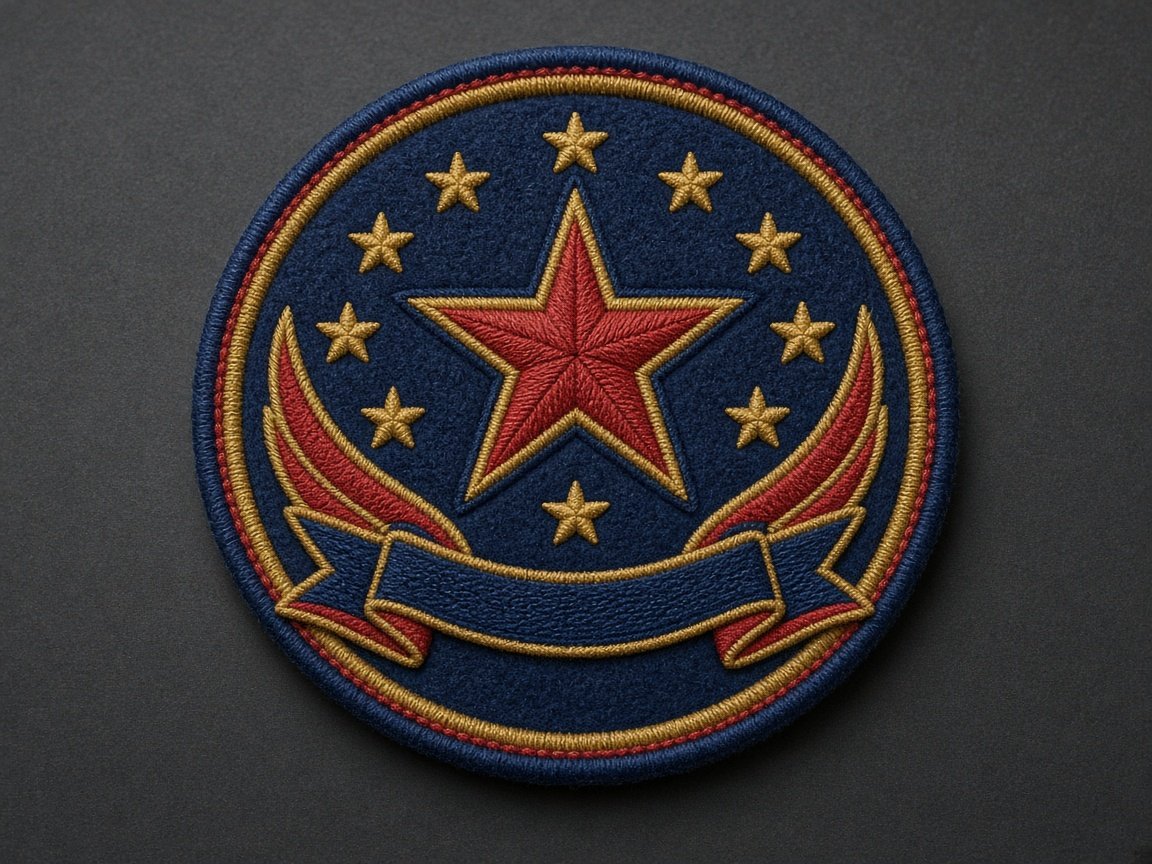
Sleeves offer a short, curved field. Files are scaled and sequenced so the crest does not twist toward the seam.
Open this desk →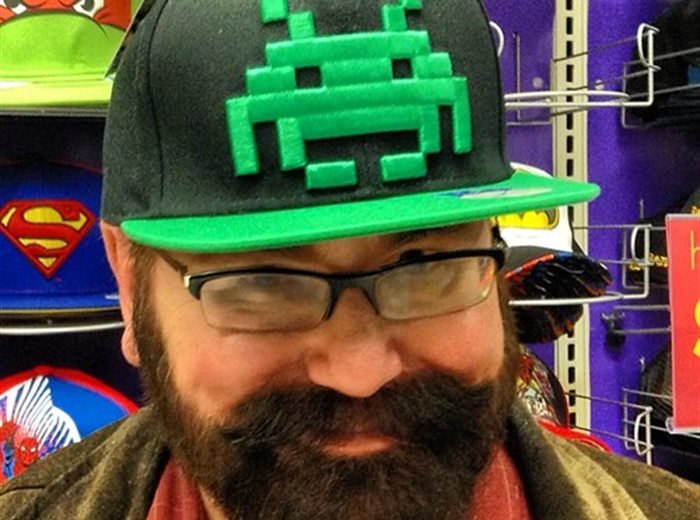
Puff is a different file. Foam needs wide columns, a cut-away path, and simple shapes — not tiny script.
Open this desk →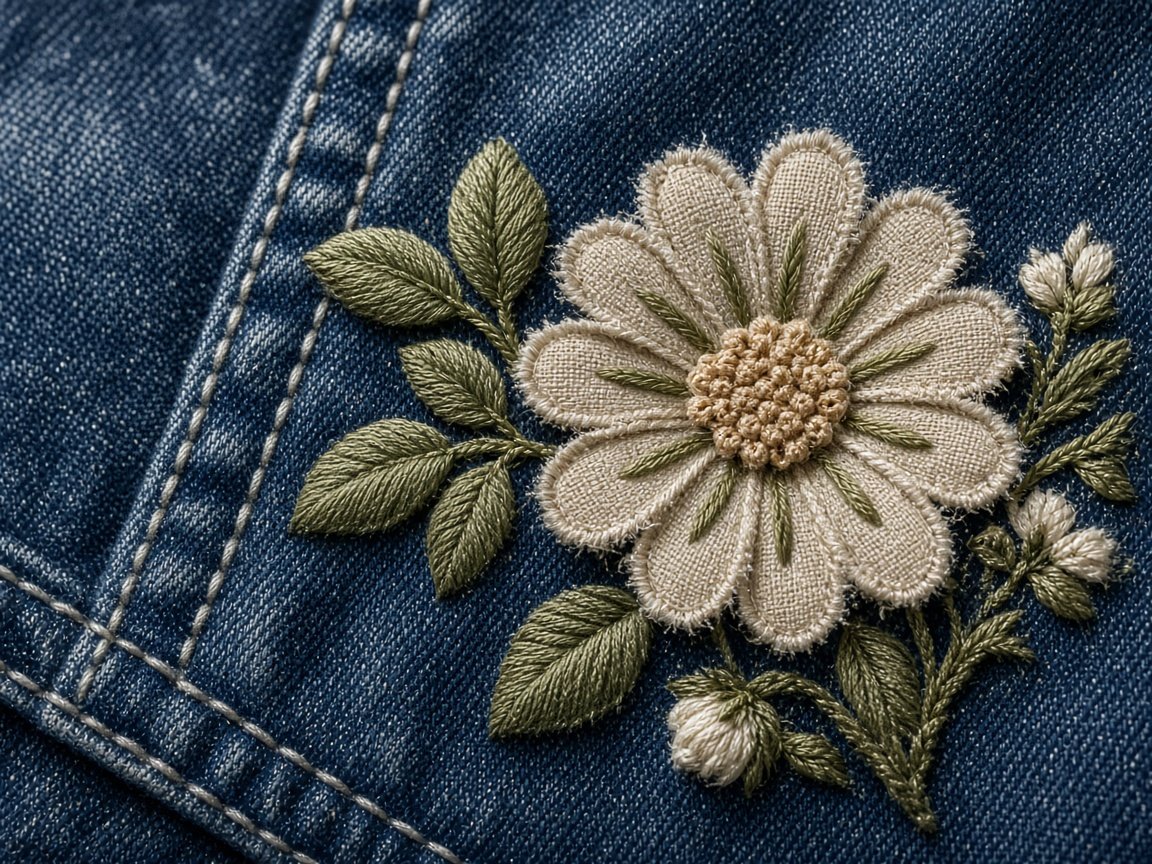
Applique covers area with fabric instead of dense fill — faster sew-outs on jacket letters and team names.
Open this desk →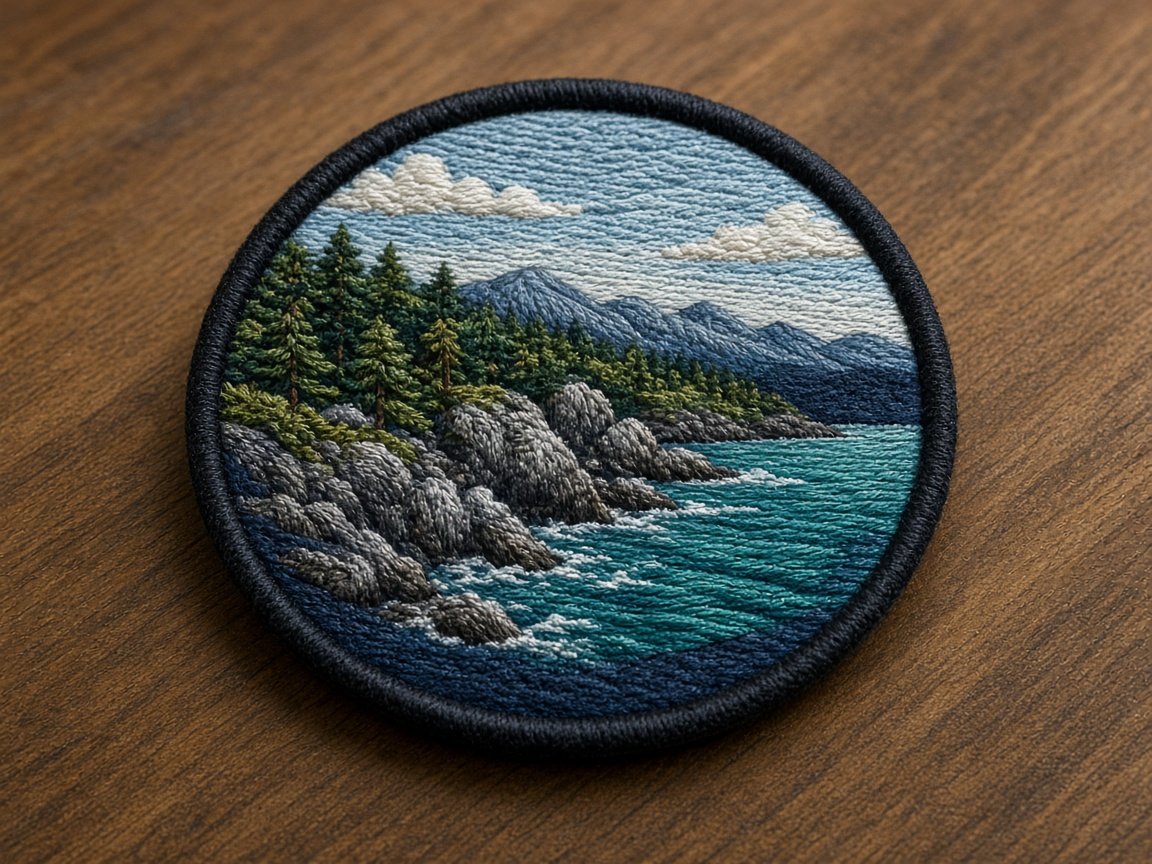
A patch file is built to become a product: border, fill, and backing notes, not just a logo dropped on a shirt.
Open this desk →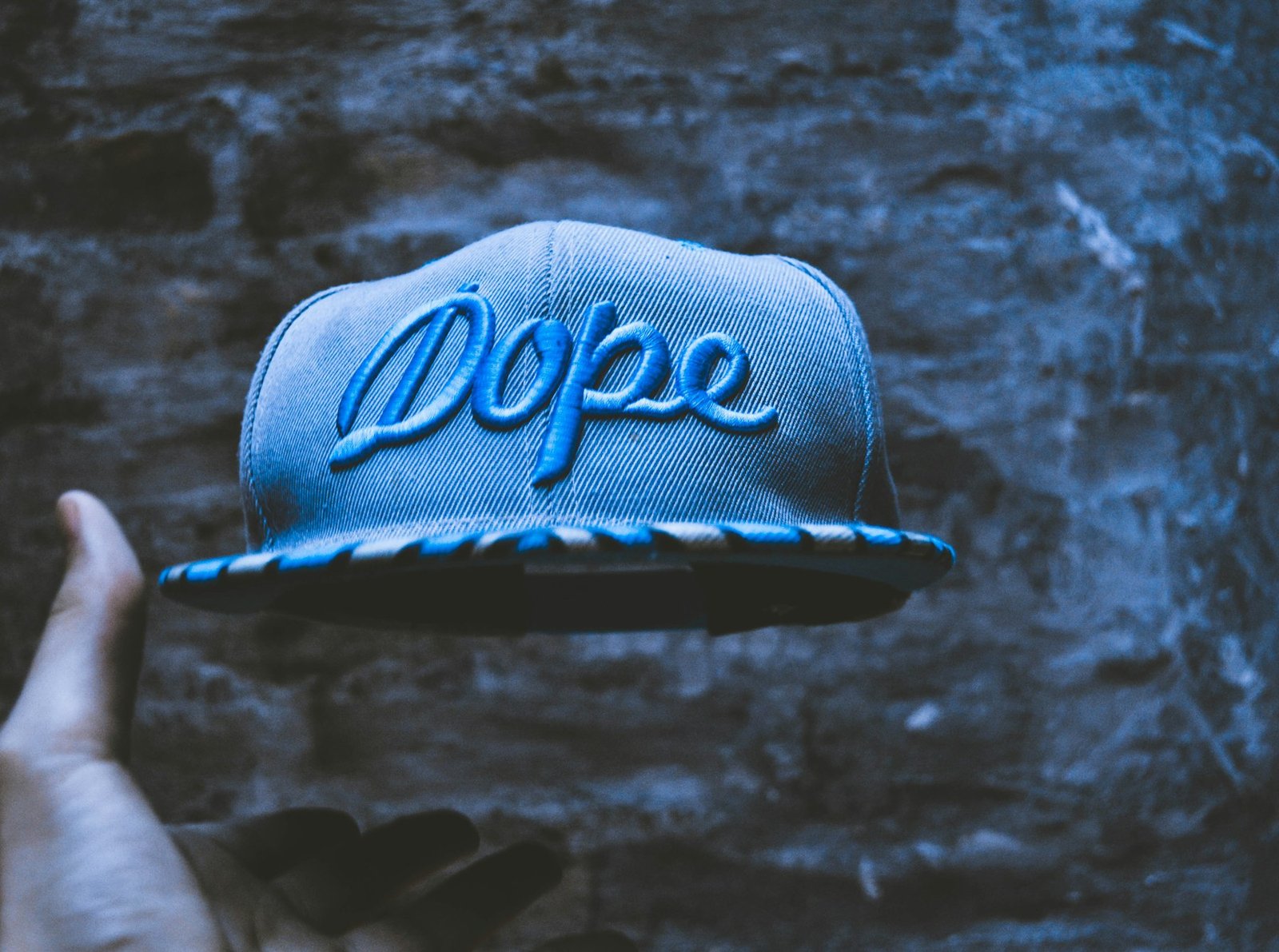
Letters under about 5 mm fail if they are treated like large satins. We rebuild type for the needle, not the PDF.
Open this desk →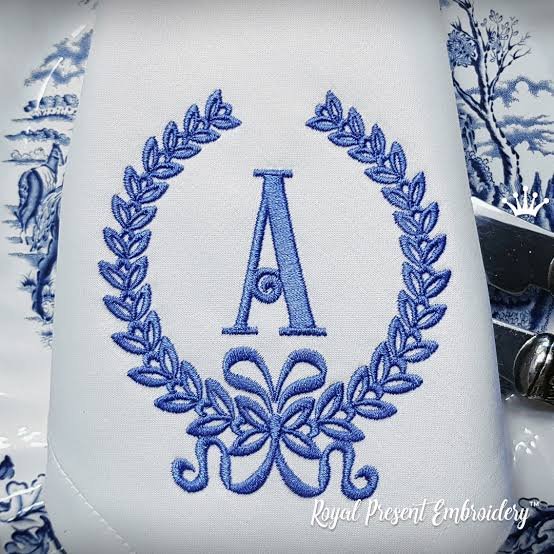
Monograms need even column width and a stitch order that does not bury the center letter.
Open this desk →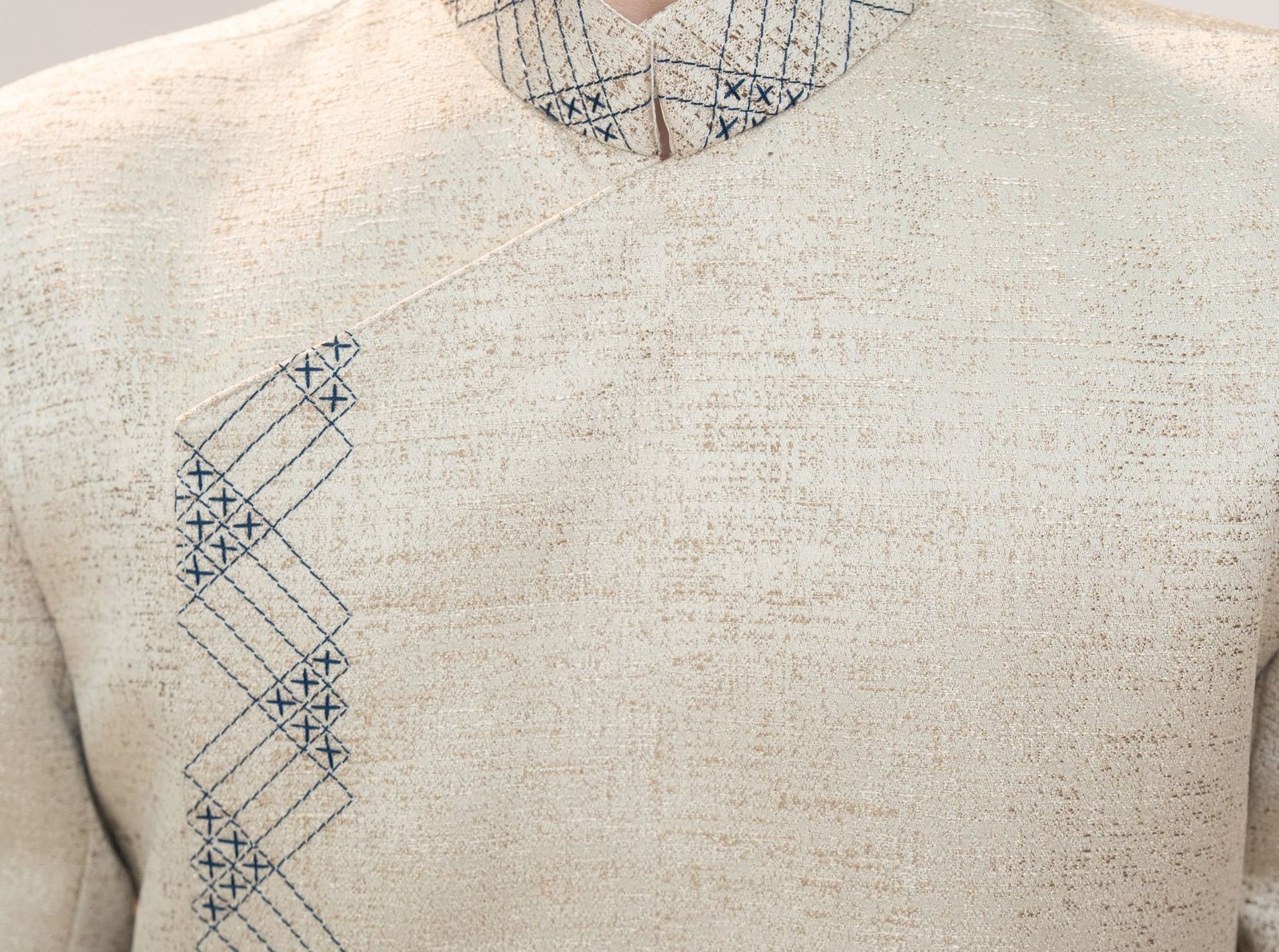
Workwear logos have to survive industrial laundry. Density and underlay are built for that abuse, not a one-off fashion tee.
Open this desk →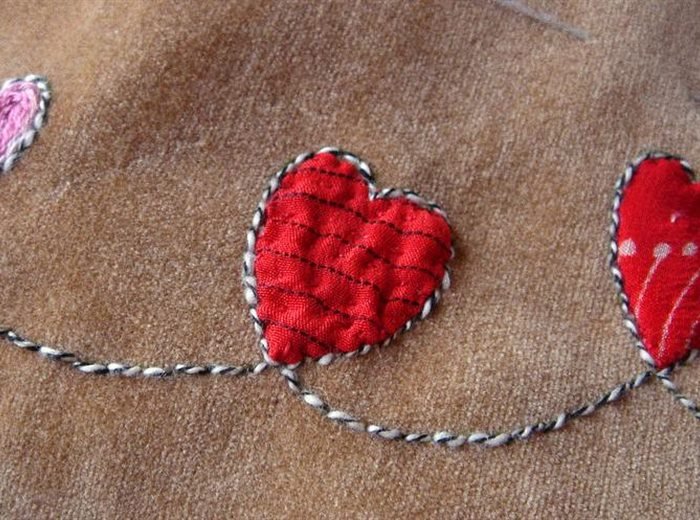
Terry loops swallow stitches. Towel files need knock-down or topping and slightly heavier columns.
Open this desk →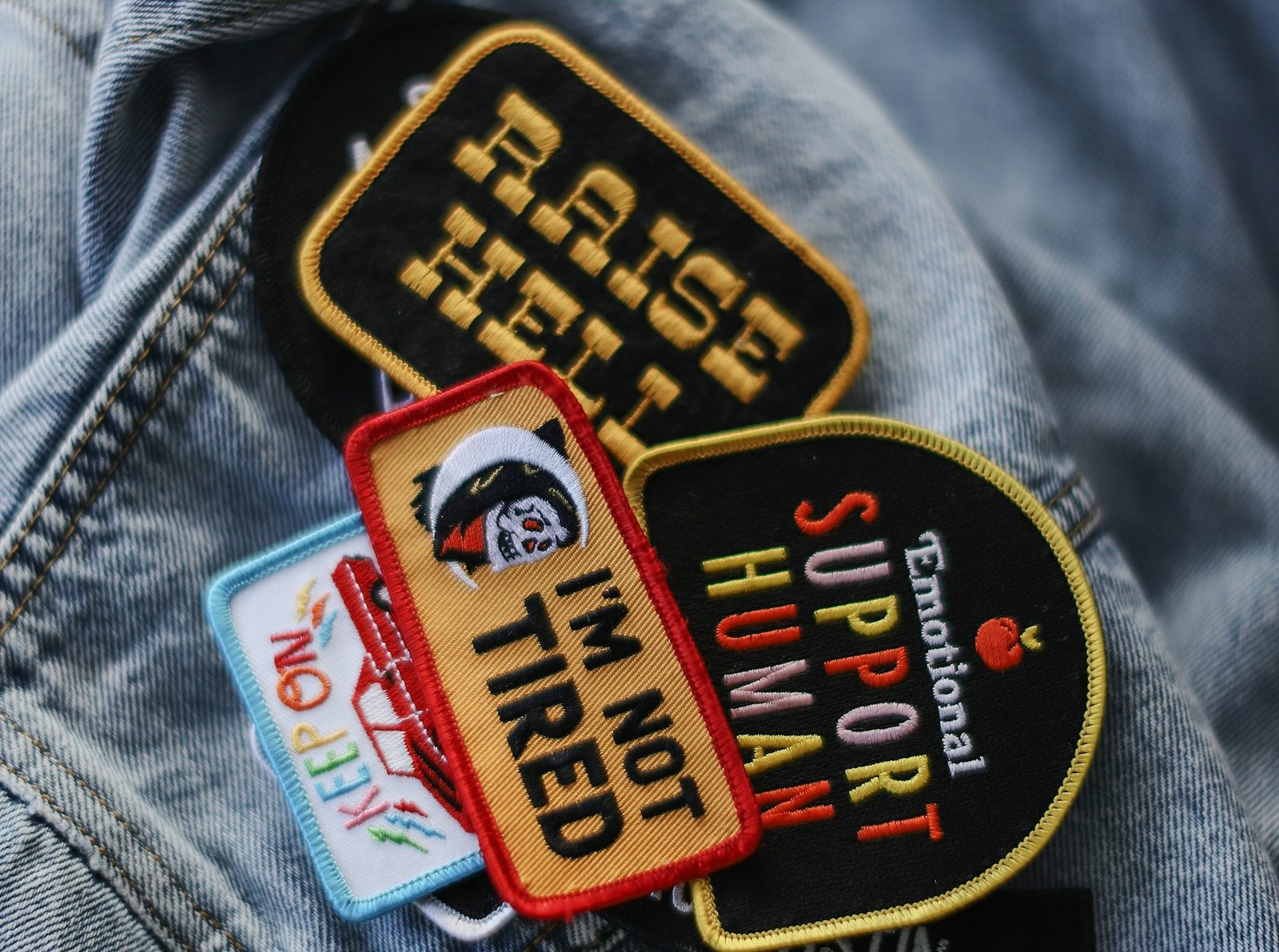
Finished bags are hard to hoop. We punch flatter panel files or patch versions so you are not fighting zippers on the machine.
Open this desk →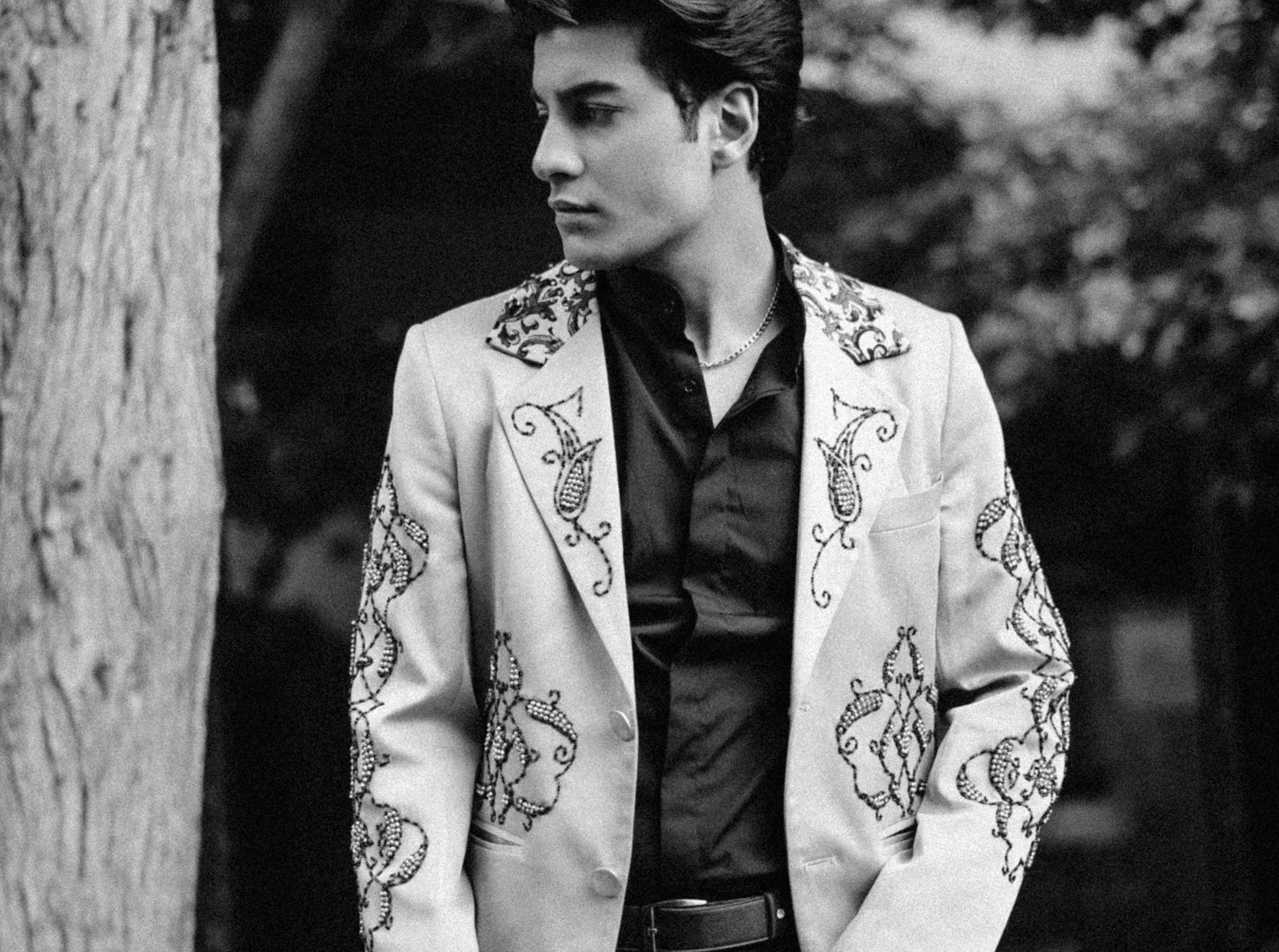
Fleece piles and jacket shells pull differently. Files are compensated so the logo does not sink or pucker.
Open this desk →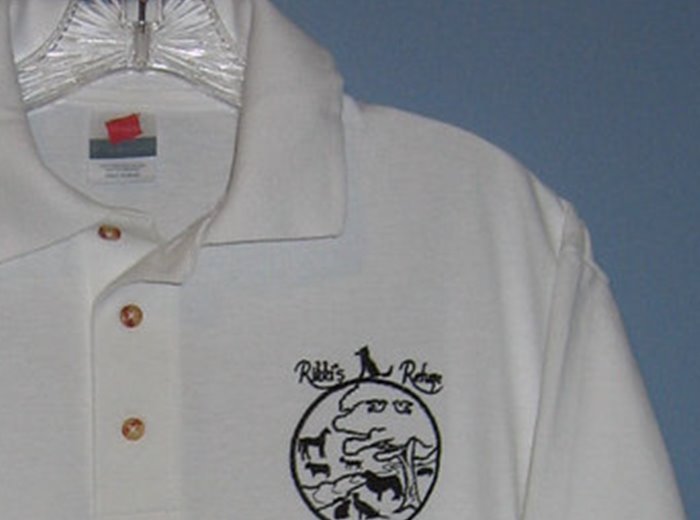
Pique has holes; performance knits stretch. Polo files are punched so the logo stays soft and registered.
Open this desk →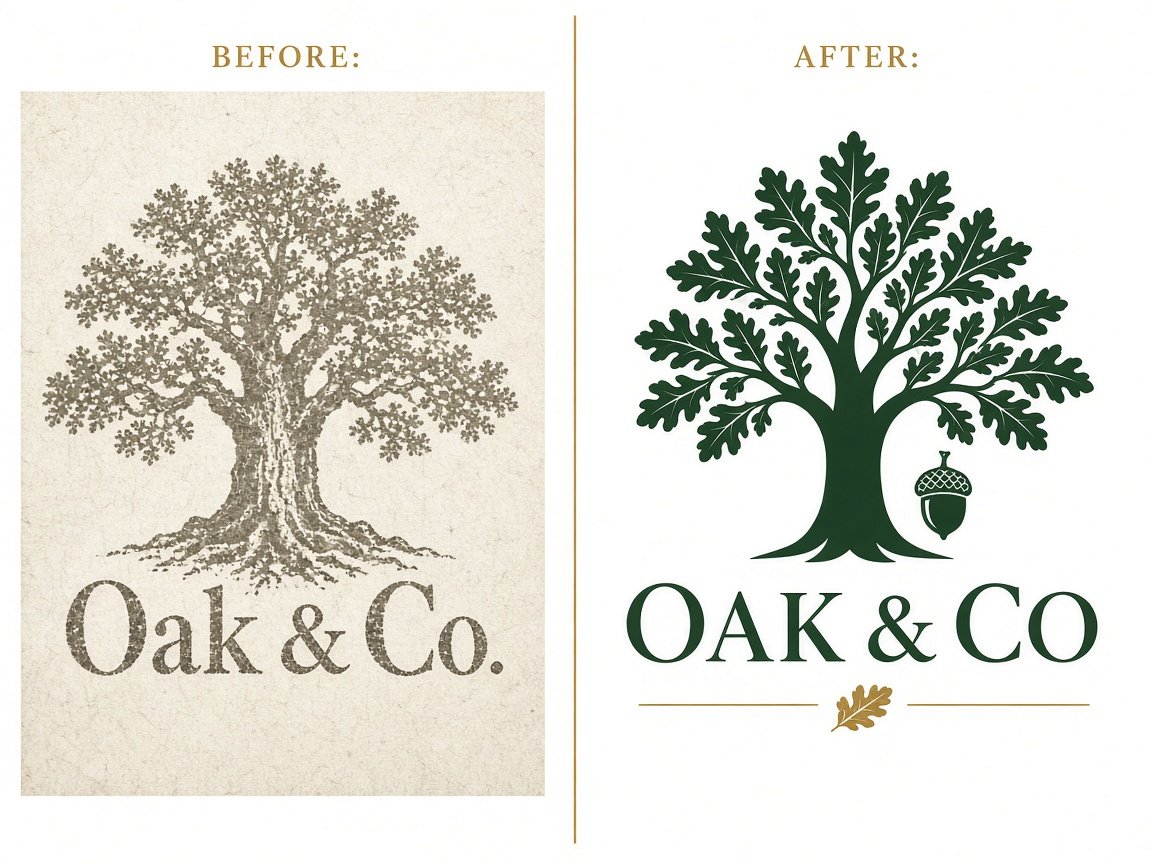
A clean vector is easier to punch. We redraw logos so stitch columns have honest edges.
Open this desk →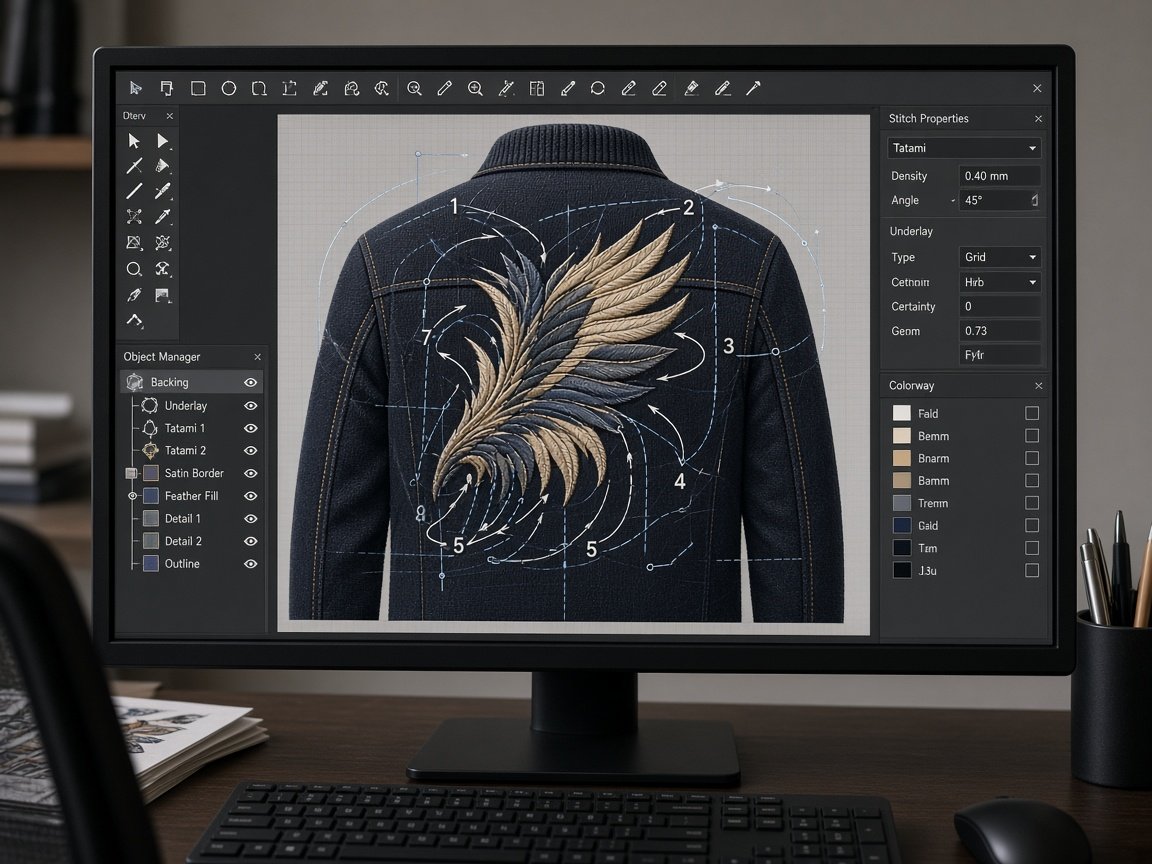
An image is not a stitch file. We interpret the picture as objects, then punch DST or PES for your machine.
Open this desk →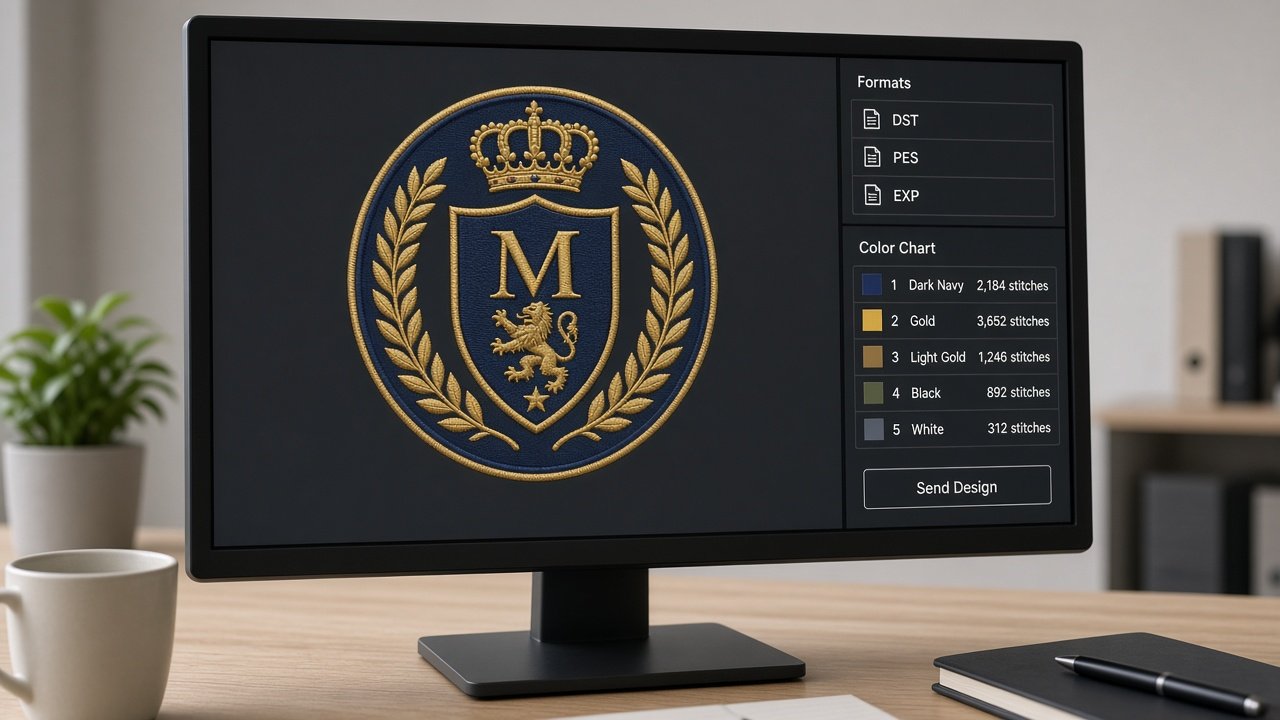
Convert suitable existing stitch files among common machine formats, with source quality reviewed first.
Open this desk →